Freelancers face an unspoken rule: post regularly or fade into obscurity.

The Pressure of Constant Visibility
Freelancers face an unspoken rule: post regularly or fade into obscurity. Yet, after a year in freelancing, it's clear that client delivery, timely, high-quality work, builds lasting relationships and referrals far more effectively than algorithmic favour.
Choosing Deep Work Over Distraction
When deadlines demand full attention, uninterrupted focus outperforms fragmented time spent crafting posts. One hour of deep flow can surpass hours lost to context-switching.Recharging for Long-Term Performance
Freelancing is mentally demanding. Time outdoors, hiking, cycling, or training for challenges like the Great British Divide bike packing route, restores mental sharpness and prevents burnout.Finding Intentional Balance
Post when you have genuine insights to share. A single thoughtful update can outperform daily noise.

Freelancing often feels like a performance where the stage is LinkedIn, the audience is potential clients, and the applause comes in likes, comments, and connections. The dominant narrative insists that visibility equals opportunity: post consistently or risk becoming invisible. Yet, after a year of building my freelance practice, I've learned that this equation is incomplete. Visibility matters, but delivery defines success. Last week, I deliberately went quiet on LinkedIn—not out of neglect, but to protect two pillars of sustainable freelancing: deep work on client projects and intentional rest to avoid burnout.
The Myth of Endless Posting
The pressure to maintain a daily or near-daily posting cadence stems from the platform's design and success stories of creators who thrive on high volume. However, recent insights into LinkedIn's algorithm and creator strategies emphasize quality over frequency. Experts recommend 3–5 posts per week for optimal visibility without overwhelming followers, while others advocate 1–2 thoughtful posts weekly to prioritize impact. Posting every day can feel productive, but when it encroaches on billable hours or creative energy, it undermines the very business it's meant to support.
Midweek posting (Tuesdays through Thursdays) tends to yield the strongest engagement, with peak times often in the morning or around noon. Yet no schedule guarantees results if the content lacks substance. A single, genuine insight shared at the right moment frequently outperforms a stream of filler updates. This shift from quantity to intentionality reflects a broader trend: freelancers are questioning hustle culture in favour of sustainable practices that protect long-term output.
Deep Work: The Foundation of Exceptional Delivery
Cal Newport's concept of "deep work"—the ability to focus without distraction on cognitively demanding tasks—remains one of the most valuable skills in knowledge work. In freelancing, where projects range from strategy decks and code reviews to design files and complex analysis, scattered attention leads to errors, delays, and diminished quality. One focused hour can produce results that five hours of interrupted effort cannot match.
Research supports this: deep focus enables faster mastery of complicated information and higher-quality outcomes. When a client deliverable requires undivided attention, stepping away from social media isn't procrastination—it's discipline. Choosing client success over algorithmic visibility ensures repeat business and strong referrals, the true engines of freelance growth.
The Real Cost of Hustle: Burnout in Freelancing
Freelancing is mentally taxing, with irregular income, client pressures, and isolation amplifying stress. Recent reports highlight the scale: around 28% of freelancers rate their mental health as poor, 40% experienced a decline in 2025, and nearly half took time off due to stress or anxiety. Income instability compounds the issue—over 50% faced significant periods without work, and nearly 70% of those reported negative mental health impacts.

Many freelancers take less rest than employed counterparts, with over half taking no time off at all. Those who skip rest are far more likely to report poor mental health. Burnout manifests in missed details, slower delivery, and lost opportunities, outcomes no amount of likes can offset. Recognizing this, I treat recharging as non-negotiable maintenance, akin to scoping projects carefully or managing tolerances in technical work.
Recharging Through Adventure and Nature
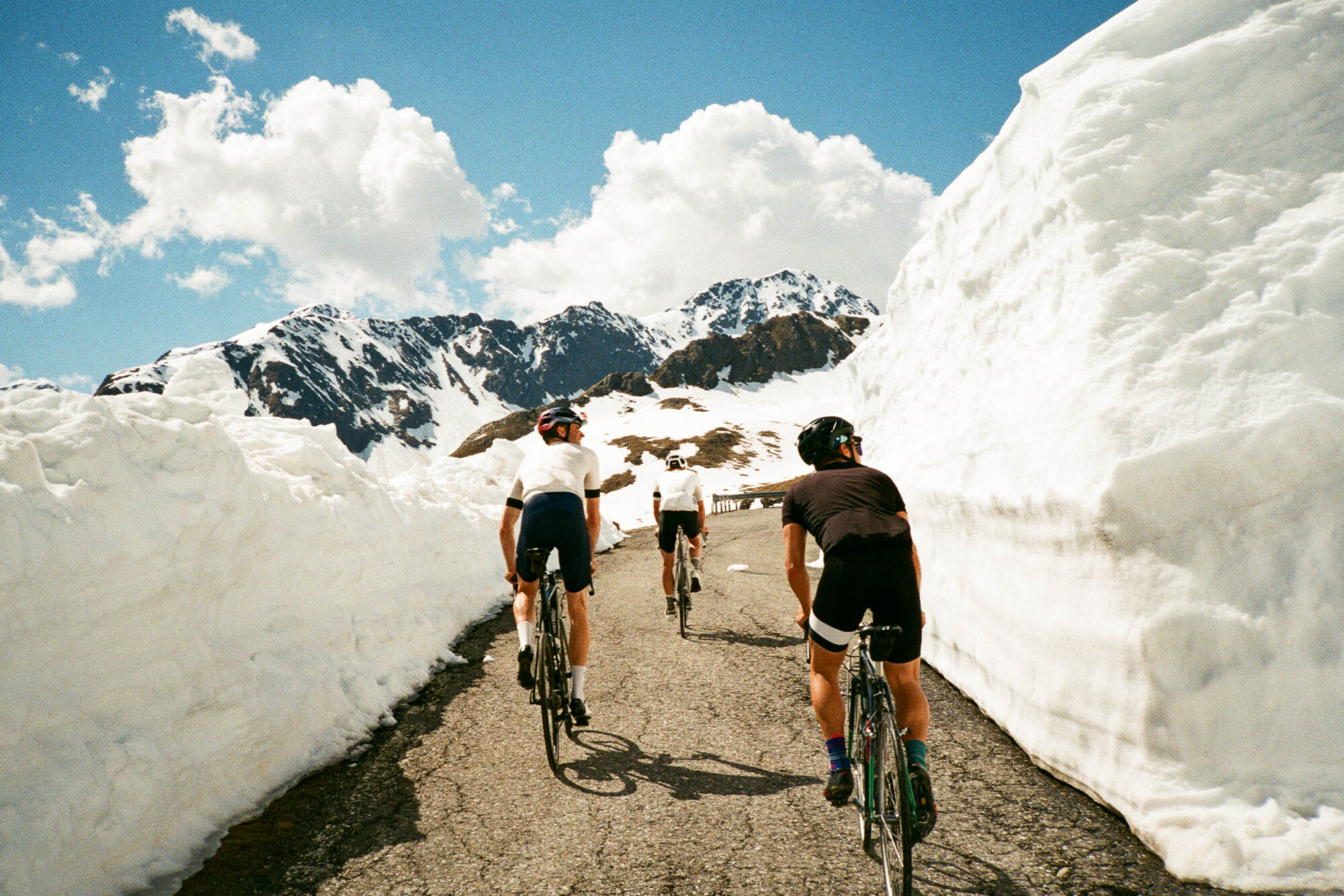
This isn't escapism—it's deliberate discipline for long-term performance. Studies show outdoor activities like hiking and cycling reduce stress, improve mood, enhance cognitive function, and boost creativity. A notable Stanford study found that walking increases creative inspiration by an average of 60%, with benefits persisting after the activity. Nature exposure fosters clearer thinking and resilience, directly translating to sharper problem-solving and more reliable client work.
The Balanced Approach: Posting with Purpose
The goal isn't to abandon LinkedIn but to use it intentionally. A thoughtful post once a week—or whenever there's genuine value to share, often moves the needle more than daily noise. This balance ensures the platform supports the business without becoming the business.
Fellow freelancers: What non-work pursuit, whether a hobby, routine, or adventure—helps you deliver better work? Share in the comments; your experiences may inspire others to find their own sustainable path.
Key Citations
.jpg)
.jpg)

Comments
Post a Comment